Your Local Healthcare Store

Chronic Diseases And Homoeopathy

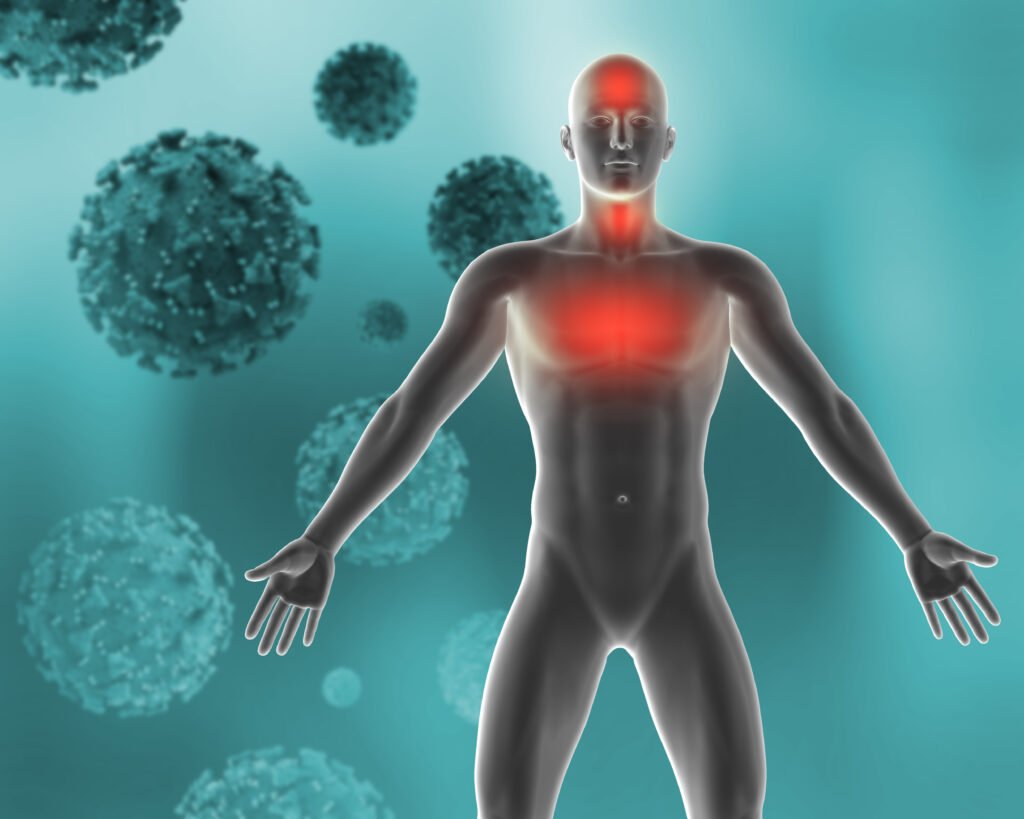
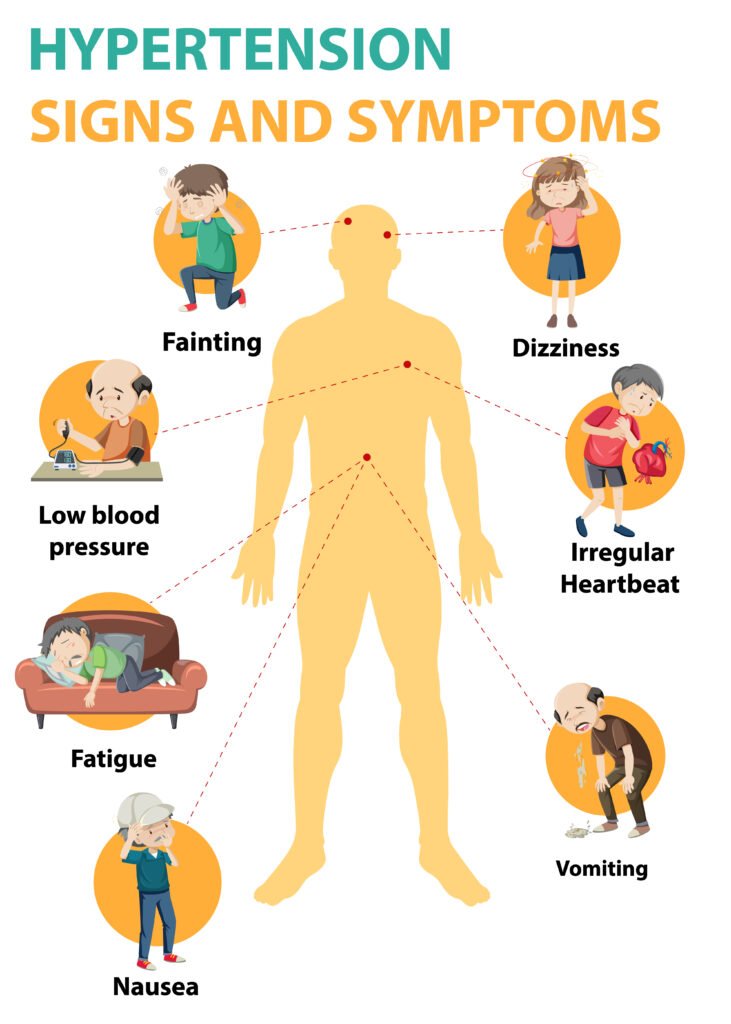
Homeopathy offers a holistic approach to managing chronic diseases, focusing on individualized treatment and the body’s natural ability to heal itself. Chronic diseases, such as arthritis, asthma, diabetes, hypertension, and skin disorders, often persist for long periods and can severely impact the quality of life. In homeopathy, the treatment of chronic diseases involves understanding the patient’s overall constitution, including physical, mental, and emotional states.

Key Principles of Homeopathy in Treating Chronic Diseases:

  1. Individualisation: Homeopathy emphasizes treating the individual rather than just the disease. Practitioners assess the unique symptoms, personality traits, and overall health of the patient to select the most appropriate remedy. For instance, two patients with arthritis may receive different remedies based on their distinct symptom profiles and temperaments.

  2. Constitutional Treatment: This approach involves selecting remedies that match the patient’s constitutional type. Constitutional remedies aim to strengthen the body’s overall vitality and immune system, addressing the root cause of chronic conditions. For example, remedies like Sulphur, Calcarea carbonica, or Lycopodium may be prescribed based on a patient’s constitution.

3. Miasmatic Theory: Homeopathy also considers the concept of miasms—underlying predispositions to chronic diseases passed down through generations. Treatment may involve addressing these miasms with specific remedies like Psorinum for the psoric miasm or Medorrhinum for the sycotic miasm.

4. Gentle Healing: Homeopathic remedies are highly diluted, making them gentle and minimizing side effects. This is particularly beneficial for chronic disease patients who may be sensitive to conventional treatments.

5. Holistic Care: In homeopathy, the mind and body are seen as interconnected. Mental and emotional well-being are considered integral to physical health. Remedies such as Ignatia or Natrum muriaticum may be used to address emotional aspects like grief or stress, which can exacerbate chronic conditions.

6. Long-Term Management: Chronic diseases require ongoing management. Homeopathic treatment often involves periodic assessment and adjustment of remedies as the patient’s condition evolves.

Commonly Used Remedies:

  • : Commonly used for arthritis with stiffness and pain that improves with movement.
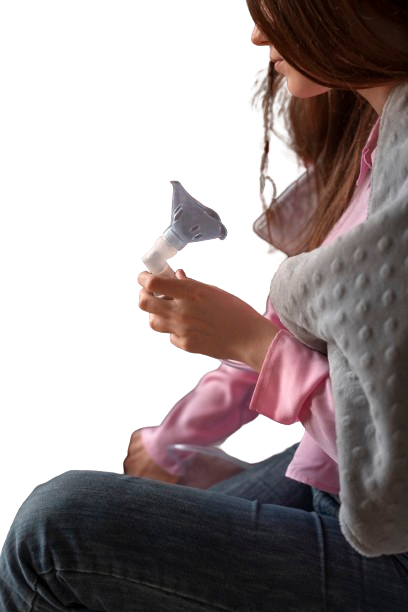
  •  Effective for chronic asthma, particularly when anxiety accompanies the condition.
  • : Often prescribed for chronic headaches or skin disorders like eczema, especially when linked with suppressed emotions.
  • : Helps in managing digestive issues and stress-related conditions.

Conclusion:

Homeopathy offers a personalised, gentle, and holistic approach to managing chronic diseases, focusing on treating the patient as a whole. With its emphasis on individualization and minimal side effects, homeopathy provides a complementary or alternative option for those seeking long-term relief and overall well-being in chronic conditions. However, it is essential to consult with a qualified homeopathic practitioner to ensure proper diagnosis and treatment.


Male Disorders And Homoeopathy

Male disorders encompass a range of health conditions that specifically affect men, impacting their physical, sexual, and mental well-being. Some of the most common male disorders include erectile dysfunction (ED), benign prostatic hyperplasia (BPH), hypogonadism, and male infertility.

Erectile Dysfunction (ED) is a condition where a man struggles to achieve or maintain an erection sufficient for sexual intercourse. It can be caused by a variety of factors, including cardiovascular diseases, diabetes, stress, and lifestyle choices like smoking and excessive alcohol consumption. ED can significantly impact a man’s self-esteem and relationships.

Benign Prostatic Hyperplasia (BPH) is an age-related condition where the prostate gland enlarges, leading to urinary problems such as frequent urination, a weak urine stream, and difficulty in starting urination. While not cancerous, BPH can cause discomfort and complications if untreated.

image
image

Hypogonadism is a condition characterized by low levels of testosterone, the hormone responsible for male characteristics and sexual function. Symptoms may include fatigue, depression, reduced muscle mass, and decreased libido. It can result from genetic factors, injury to the testes, or problems with the pituitary gland.

Male infertility involves issues with sperm production or function, leading to difficulties in conceiving a child. Causes may include genetic conditions, infections, lifestyle factors, or exposure to environmental toxins.

Mental health disorders such as depression and anxiety also significantly affect men but are often underreported due to societal stigmas. These conditions can exacerbate physical disorders, creating a cycle of deteriorating health.

Addressing male disorders involves a holistic approach, including medical treatment, lifestyle changes, and mental health support. Early diagnosis and intervention are crucial in managing these conditions effectively, allowing men to lead healthier, more fulfilling lives.

Women Care in Homoeopathy

1. Introduction

  • Homeopathy, a holistic system of medicine, places significant emphasis on individualized care. In the realm of women’s health, homeopathy addresses various physical, emotional, and psychological issues that are unique to women throughout different stages of life.

2. Holistic Approach

  • Homeopathy treats the individual as a whole rather than focusing solely on specific symptoms or diseases. This approach is particularly beneficial in women’s health, where hormonal changes, emotional well-being, and physical health are deeply interconnected.

3. Common Areas of Focus in Women’s Health

  • Menstrual Health: Homeopathy provides support for various menstrual irregularities, including dysmenorrhea, amenorrhea, menorrhagia, and premenstrual syndrome (PMS). The focus is on balancing the endocrine system and alleviating associated symptoms.
  • Reproductive Health: It addresses issues related to fertility, conception, and pregnancy. Homeopathy can support women through the various stages of pregnancy, labor, and postpartum recovery, promoting overall well-being.
  • Menopause: During menopause, women may experience a range of physical and emotional symptoms. Homeopathy aims to ease the transition by addressing hot flashes, mood swings, sleep disturbances, and other related symptoms.
  • Emotional and Mental Health: Women often experience stress, anxiety, and depression due to various life circumstances. Homeopathy provides gentle support by addressing the root causes of emotional distress and promoting mental well-being.
  • Chronic Conditions: Conditions such as polycystic ovarian syndrome (PCOS), endometriosis, and fibroids are common among women. Homeopathy seeks to address these chronic issues by focusing on long-term relief and overall health improvement.

4. Personalized Treatment

  • Homeopathy is highly individualized, meaning that two women with the same condition may receive different treatments based on their unique symptoms, constitutions, and overall health. This personalized approach ensures that treatment is tailored to each woman’s specific needs.

5. Non-Invasive and Safe

  • Homeopathic remedies are known for being non-invasive and free from harsh side effects, making them a safe option for women, including those who are pregnant or breastfeeding. The gentle nature of homeopathic treatment is particularly appealing to those looking for natural health solutions.

6. Conclusion

  • In women’s health, homeopathy offers a comprehensive and individualized approach to care. By addressing the physical, emotional, and psychological aspects of health, homeopathy supports women in achieving balance and well-being throughout the various stages of life. The holistic nature of homeopathy makes it a valuable option for those seeking gentle yet effective healthcare solutions.

7. Importance of Professional Guidance

  • While homeopathy is a safe and effective system of medicine, it is essential to consult a qualified homeopathic practitioner for an accurate diagnosis and treatment plan. Self-treatment, especially in complex or chronic conditions, is not recommended.
 

General Tips

  • Individualisation: Homeopathic treatment is highly individualized. Remedies should be selected based on the totality of symptoms, including emotional and physical characteristics.
  • Consultation:  Always consult a qualified homeopathic practitioner to ensure proper diagnosis and remedy selection.
  • Potency and Dosage: The potency and dosage of homeopathic remedies vary depending on the individual’s condition and response. Lower potencies  are often used for chronic conditions, while higher potencies may be used for acute or severe cases.

This guide provides a general overview, but for personalised treatment, it’s important to seek professional advice.

Hair Care in Homeopathy

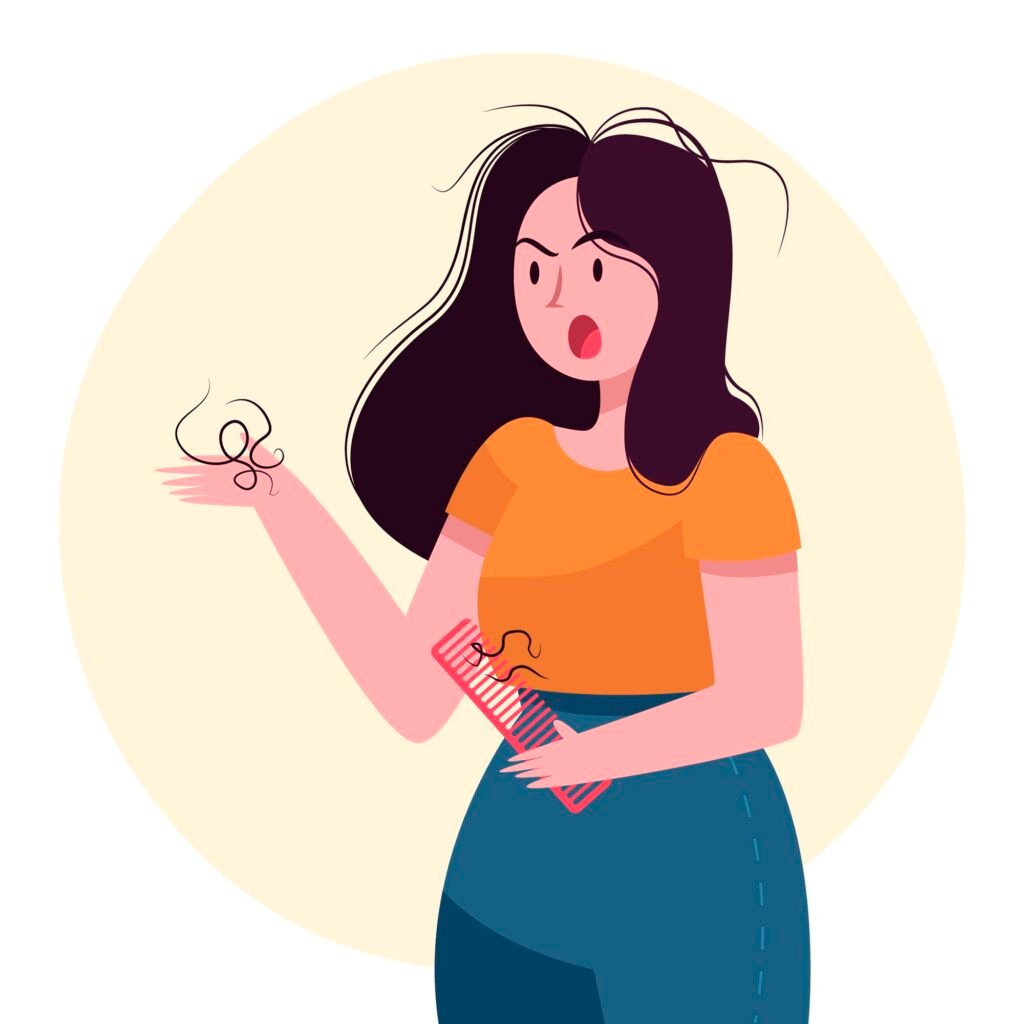
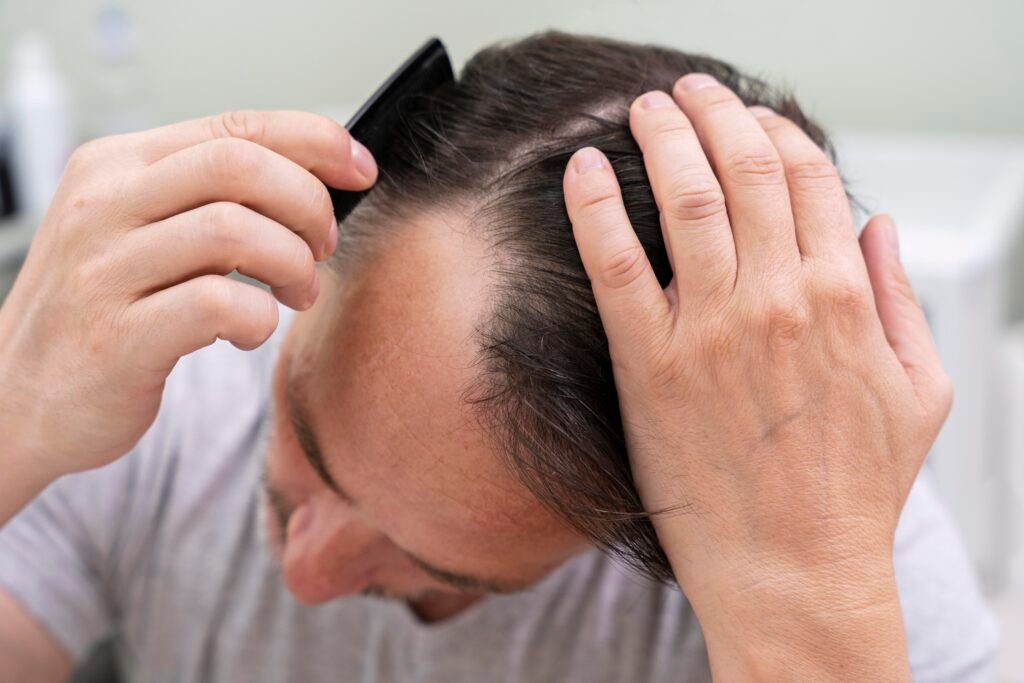
There can be many reasons for hair fall such as…
1-Hair loss due to trauma, scalp injury, or after surgery.
2-Hair loss in patches, especially in individuals with a tendency to bleed easily, have weak digestion, or who experience hair loss after an illness.
3-Women experiencing hair loss due to hormonal changes, such as after childbirth or during menopause. brittle hair and nails.
4-Poor digestion and liver function.
5-Hair loss due to syphilis or other chronic diseases.

In these problems,medicines can be used under the advice of a doctor 

General Tips for Hair Care in Homeopathy:

  • Diet: Maintain a balanced diet rich in vitamins and minerals, particularly iron, zinc, and biotin, to support hair health.
  • Stress Management: Practice stress-reducing techniques such as yoga, meditation, or deep breathing exercises.
  • Scalp Massage: Regular scalp massages with homeopathic oils, such as Arnica oil, can stimulate hair follicles and promote hair growth.
  • Hydration: Drink plenty of water to keep the scalp hydrated and free from toxins.

Important Note:

Always consult with a qualified homeopath before starting any treatment, as the remedies should be tailored to your specific symptoms and overall constitution. Homeopathic treatment is highly individualized, and self-medication is not recommended.

This guide should provide you with a starting point for considering homeopathic options for hair loss.

Child Care In Homoeopathy

Homeopathy offers a gentle and natural approach to child care, focusing on treating the whole child rather than just the symptoms. Here are some key aspects of child care in homeopathy:

1.Common Ailments-

Colds and Coughs- Homeopathy Remedies  are often used to treat cold symptoms based on the nature of the symptoms.
Teething Problems- Chamomilla is frequently prescribed for irritability and pain associated with teething.
Digestive Issues-Homoeopathy remedies for digestive problems like colic, diarrhea, or constipation in children.

 2. Behavioral and Emotional Care

Anxiety and Fears-Homeopathic remedies can help alleviate anxiety or fearfulness in children.
Sleep Issues- Homoeopathy Remedies  are used to treat sleep disturbances, including nightmares or insomnia.

 3.Immunity Boosting

Prevention of Common Illnesses- Echinacea and Ferrum Phos are often used to boost a child’s immune system, helping to prevent common illnesses.
Chronic Conditions- For recurring issues like ear infections or allergies, constitutional remedies tailored to the child’s overall health and temperament are recommended.

 4.Safety and Dosage

Homeopathic remedies are highly diluted, making them safe for children when used correctly.
It’s essential to consult with a qualified homeopath to determine the appropriate remedy and dosage for your child’s specific needs.


6-Individualised Treatment-

Homoeopathy treats Children on an individual basis, considering their physical, emotional and conditional state. this personalise approach often leads to more effective and holistic care

6. Consultation with a Professional

While homeopathy is safe, it’s crucial to seek advice from a licensed homeopath, especially for chronic conditions or if you are unsure about the correct remedy to use.

This approach ensures that children receive care that aligns with their natural developmental needs while supporting their overall health and well-being


Scroll to Top

Fix Your Appointment